Battery technology is rapidly improving, leading to longer-lasting batteries and significantly faster charging times. These advancements are essential as modern life increasingly depends on portable electronic devices, electric vehicles (EVs), and renewable energy storage systems.
One of the key developments in battery technology is the improvement of lithium-ion batteries, which are widely used in smartphones, laptops, and electric cars. Researchers are enhancing their energy density, allowing batteries to store more power in a smaller size. This means devices can run longer without needing frequent charging. At the same time, new materials and better electrode designs are helping reduce charging time, making it possible to recharge devices in minutes rather than hours.
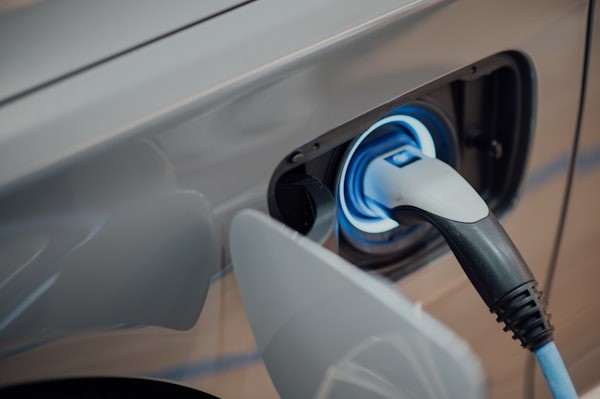
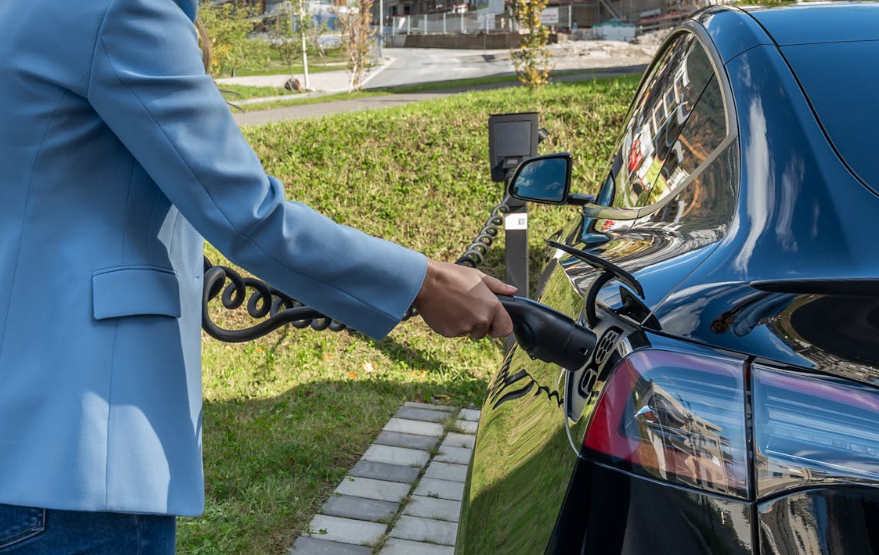
Fast-charging technology has become a major focus, especially for electric vehicles. Companies are developing high-power charging systems and advanced battery management systems that safely control heat and voltage during rapid charging. This not only improves convenience but also makes EVs more practical for everyday use.
Another important innovation is solid-state batteries, which replace the liquid electrolyte found in traditional batteries with a solid material. These batteries are expected to offer higher energy capacity, improved safety, and longer lifespan. Although still in development, they could revolutionize both consumer electronics and transportation.
Improved battery technology also plays a crucial role in supporting renewable energy systems like solar and wind power. Efficient energy storage allows excess power to be stored and used when needed, making clean energy more reliable.
Overall, advancements in battery technology are making devices more efficient, sustainable, and user-friendly, while also supporting the global shift toward cleaner energy solutions.