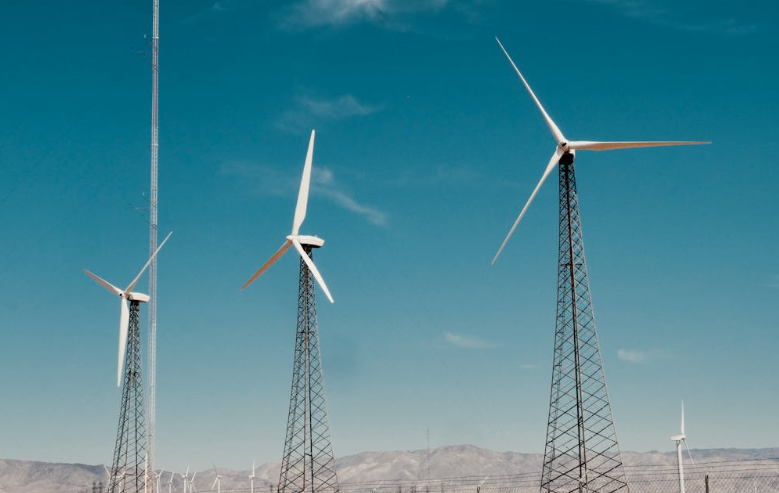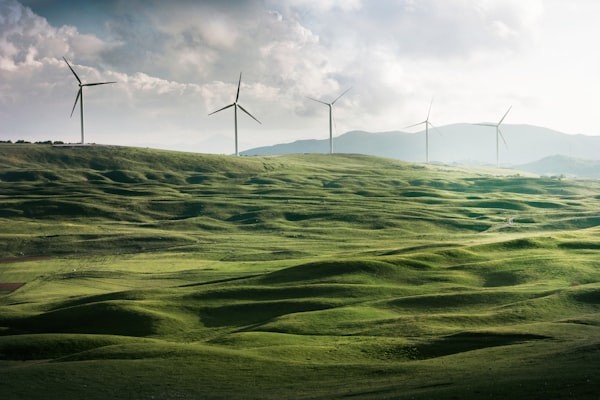
Offshore wind farms are becoming an increasingly important source of renewable energy because they can generate more power than onshore wind farms, mainly due to stronger and more consistent sea winds. Located in oceans or large bodies of water, these wind farms benefit from open spaces where there are fewer obstacles such as buildings, trees, or hills. As a result, wind speeds offshore are typically higher and more stable, which allows turbines to operate more efficiently and produce a greater amount of electricity.
Wind turbines convert the kinetic energy of wind into electrical energy. When wind blows across the large blades of a turbine, it causes them to rotate. This movement powers a generator that produces electricity. Since offshore areas experience stronger winds for longer periods, the turbines can generate electricity more consistently throughout the year compared to those on land.
Another advantage of offshore wind farms is their ability to be built on a large scale. The sea provides vast space for installing multiple turbines, which increases overall energy production. This makes offshore wind energy a valuable solution for countries with high energy demands and limited land resources.
In addition to higher energy output, offshore wind farms also help reduce greenhouse gas emissions by replacing fossil fuel-based power generation. They contribute to cleaner air and support global efforts to combat climate change.
However, offshore wind farms also come with challenges, such as higher construction and maintenance costs due to harsh marine conditions. Despite this, technological advancements are gradually making them more efficient and cost-effective.
Overall, offshore wind farms play a crucial role in expanding renewable energy production, thanks to the strong and steady winds available at sea.