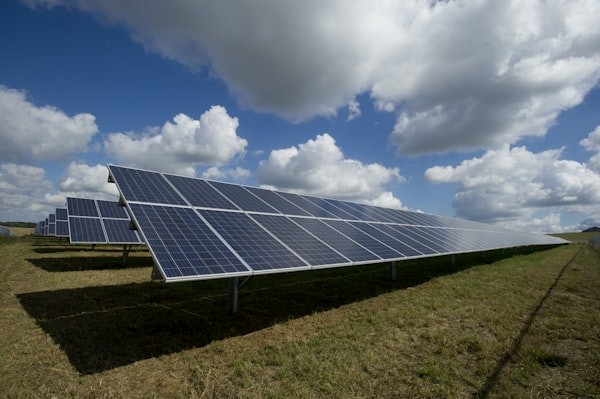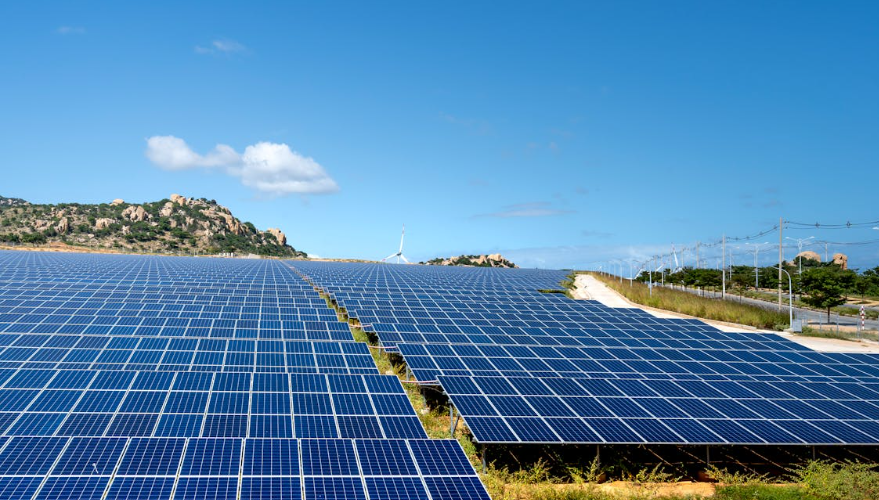
Solar panels are devices that convert sunlight into electricity using photovoltaic (PV) cells. These cells are the core technology behind solar energy systems and are made from semiconductor materials, usually silicon. When sunlight hits the surface of a photovoltaic cell, it excites electrons within the material, causing them to move and generate an electric current. This process is known as the photovoltaic effect.
A single solar cell produces a small amount of electricity, so multiple cells are connected together to form a solar panel, and many panels can be combined into larger systems called solar arrays. These systems can generate enough electricity to power homes, businesses, and even entire communities.
Solar energy is a clean and renewable source of power because it does not produce harmful emissions or rely on fossil fuels. It helps reduce greenhouse gas emissions and plays an important role in combating climate change. Additionally, solar power reduces dependence on non-renewable energy sources, making it a sustainable long-term solution.
Modern solar panels are becoming more efficient and affordable due to advancements in technology. Improvements in materials, design, and energy storage systems have made solar power more accessible worldwide. Solar batteries are also used to store excess electricity generated during the day, allowing energy to be used at night or during cloudy conditions.
Overall, solar panels provide an effective way to harness the sun’s energy, supporting the global shift toward clean and sustainable energy systems while reducing environmental impact.