Solar energy is rapidly transforming the global energy landscape and is expected to become one of the most dominant sources of renewable power by 2030. This growth is driven by major advancements in photovoltaic (PV) technology, improved energy storage systems, and decreasing installation costs. As a result, solar power is becoming more efficient, affordable, and widely accessible than ever before.
Modern solar panels are capable of converting a higher percentage of sunlight into electricity due to continuous improvements in cell design and materials. At the same time, innovations in energy storage, such as advanced batteries, allow excess solar energy to be stored and used during nighttime or cloudy conditions. This helps overcome one of the biggest limitations of solar power—its dependency on sunlight availability.
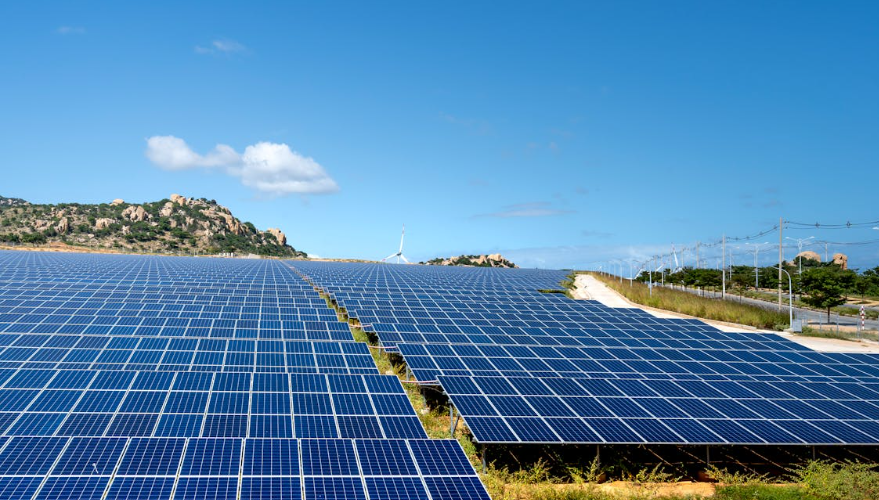
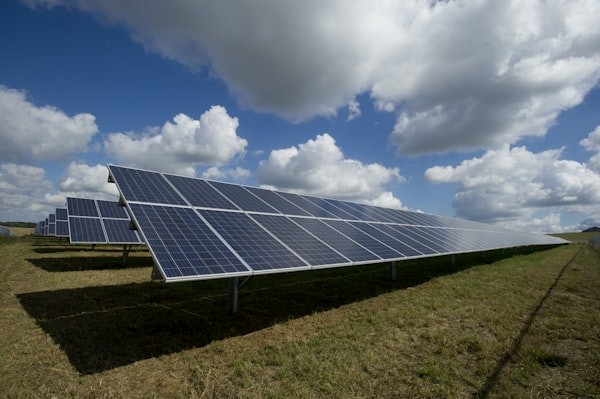
Governments and private companies around the world are heavily investing in solar infrastructure. Large-scale solar farms are being built to supply electricity to cities, while decentralized rooftop solar systems are expanding access in rural and remote areas. This shift is helping communities achieve greater energy independence and reduce electricity costs.
Technologies like solar tracking systems, smart grids, and AI-powered energy management are further improving performance. Solar trackers allow panels to follow the sun’s movement for maximum efficiency, while smart grids help balance supply and demand more effectively.
Despite these advancements, challenges still exist, including energy storage limitations, high initial setup costs in some regions, and variability in weather conditions. However, ongoing research and innovation continue to address these issues.
Overall, solar energy is playing a vital role in reducing carbon emissions, combating climate change, and building a more sustainable global energy future.